
Dog Park Etiquette
Heading to the dog park is often the highlight of the day for our pups—and for many humans, it’s a much‑needed excuse to get out of the house. But if you’ve ever walked up to the gate and felt a little surge of “park anxiety,” you’re not alone. Between the bustling “air‑lock” entrance and the mixed personalities inside, there’s a lot happening in a small space.
To keep the vibes high and the vet visits low, good dog park etiquette is essential. While some rules apply no matter where you go, the expectations shift depending on whether you’re in the Small Dog Area or the Large Dog Area. Consider this your complete guide to being the most respectful, prepared human at the park.
Universal Rules: The Non‑Negotiables for Every Dog Owner
Before you even choose a side, these baseline rules keep the dog park running smoothly for everyone.
1. Eyes Up, Phones Down
Dog parks aren’t drop‑off daycares—your dog is there to play, but you’re still the supervisor. Dogs can shift from playful wrestling to overwhelmed or overstimulated in seconds. Staying alert helps you spot early warning signs like stiff posture, tucked tails, or “rude” behaviors that need redirecting.
2. Master the Air‑Lock Entry
The double‑gate system exists for safety. Always ensure the first gate is fully latched before opening the second. And if you walk into a crowd of dogs pressing the fence to greet the newcomer, pause. Let other owners call their dogs away so your pup can enter calmly.
3. Leave Resources at Home
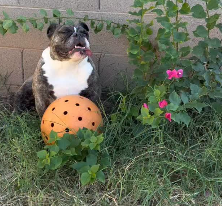
Dog parks are neutral spaces, which means high‑value items can quickly create tension.
Avoid bringing:
Treats
Favorite toys
Human snacks or meals
Even if your dog doesn’t guard resources, another dog might.
The Small Dog Side: Gentle, Safe, and Soft‑Play Friendly
The small dog area—often designated for pups under 25–30 pounds—is more than just a size restriction. It’s a safe space for dogs who need lower‑impact socialization.
Respect the Weight Limit
Even the gentlest large dog can accidentally injure a tiny pup with a simple play bow or excited pounce. If your dog exceeds the posted weight limit, it’s important to stick to the large dog area. This rule protects the smallest dogs from unintentional harm.
Follow the Shy Dog Protocol
Small dog parks often host nervous pups, seniors, or dogs recovering from injuries. If a dog chooses to observe from under a bench or by their owner’s feet, don’t encourage your pup to “coax” them into play. Let shy dogs warm up at their own pace.
The Large Dog Side: High‑Energy, Rough‑and‑Tumble Play
The large dog area is where you’ll see high-speed chases, big body slams, and rowdy wrestle sessions. Understanding the difference between safe play and unsafe tension is key.
Learn the Difference Between Play and Aggression
Healthy play typically includes:
Loose, wiggly bodies
Taking turns in chase games
Play bows
Breaks in between bursts of energy
Concerning behavior includes:
Stiff posture
Raised hackles
Hard stares
“Target locking” on one dog who wants to disengage
If you see things escalating, call your dog away for a reset.
The Large-Breed Puppy Warning
A Great Dane puppy may be big, but they often lack mature social skills. Puppies can unintentionally annoy adult dogs by ignoring boundaries. If your pup keeps pestering others, it’s on you to intervene, leash them briefly, and give them a moment to calm down.
Never Pick Up Your Dog
When tension rises, your instinct may be to scoop your dog into your arms. But lifting a dog—even a small dog—can trigger other dogs to jump up or become overstimulated. Instead, step between dogs to create space, use your voice, or calmly guide your pup away with a leash.
The Golden Rule: Know When to Leave
Every dog has good days and off days. If your dog seems overwhelmed, overstimulated, or is struggling with self‑control, it’s perfectly okay to wrap up the visit early. Success isn’t measured by how long you stay—it’s measured by how safe and positive the experience is for every dog in the park.
